
Birth injury compensation claims UK provide a legal route for parents and children who suffer harm due to medical negligence during pregnancy, labour or delivery. Birth injuries can have life-changing consequences, including long-term physical disabilities or developmental issues. Understanding your rights and the claims process helps families pursue fair compensation under UK law.
This guide explains what constitutes a birth injury, how claims work and the steps to secure compensation.
What Is a Birth Injury Claim?
A birth injury claim arises when a baby or mother suffers harm due to “Medical Negligence” during pregnancy, labour or delivery. Common examples include:
- Cerebral palsy caused by delayed delivery
- Brain injuries from oxygen deprivation (hypoxia or anoxia)
- Shoulder dystocia injuries
- Fractures or nerve damage during birth
- Maternal injuries due to mismanaged labour
When negligence is proven, families can pursue “Birth Injury Compensation” to cover physical, emotional and financial impacts.
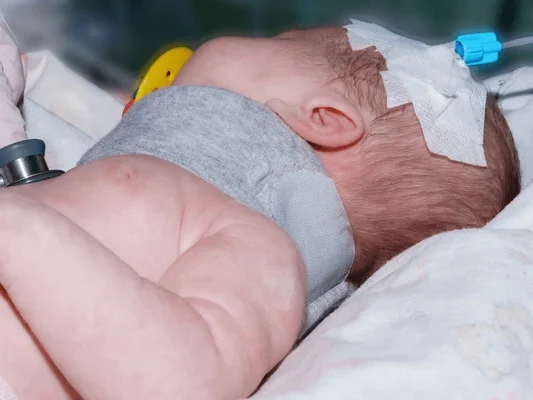
Who Can Make a Birth Injury Claim UK?
Birth injury compensation claims UK can be made by:
- Parents of children born with birth injuries
- Individuals who suffered harm during delivery
- Legal guardians acting on behalf of minors
Claims focus on establishing negligence by a healthcare professional or NHS Trust and the resulting harm. Early legal advice ensures compliance with “UK Medical Negligence Time Limits”.
Causes of Birth Injuries
Most birth injuries occur due to preventable mistakes by medical staff. Common causes include:
- Delayed or incorrect response during labour
- Misuse of forceps or vacuum extractors
- Failure to monitor fetal distress
- Inadequate postnatal care
- Failure to advise on birth complications
By proving that these failures caused harm, families can pursue Compensation Claims for Birth Injuries.
Evidence Needed for Birth Injury Compensation Claims
Strong evidence is essential for successful claims. Key documents include:
- Medical records and hospital notes
- Birth records and monitoring charts
- Expert medical opinions
- Witness statements from healthcare staff
- Proof of additional costs, such as ongoing care or therapy
Accurate evidence strengthens your case and ensures fair calculation of “Birth Injury Damages”.
How Much Compensation Can You Claim?
Compensation for birth injuries generally covers two categories:
General Damages
Covers pain, suffering and loss of amenity for the child or parent.
Special Damages
Covers financial losses, including:
- Medical and rehabilitation costs
- Loss of earnings or parental care
- Travel expenses for appointments
- Adaptations to the home or equipment for disability
Compensation can vary widely depending on the severity of the injury and its long-term impact on the child’s life.
Time Limits for Birth Injury Claims UK
Under UK law, most “Birth Injury Claims” must be initiated within three years of the child’s 18th birthday if the child is a minor or three years from the date of injury if the parent is making the claim for themselves. This extended time frame recognises the delayed discovery of many birth injuries.
Prompt action ensures that medical records remain available and strengthens the chances of a successful claim.
No Win No Fee Birth Injury Claims
Many solicitors handle Birth Injury Compensation Claims on a “No Win No Fee“basis. This approach reduces financial risk, allowing families to pursue justice without upfront costs. Key benefits include:
- No payment unless the claim succeeds
- Access to specialist birth injury solicitors
- Transparent and stress-free claims process
No win no fee arrangements make compensation accessible even for families concerned about legal expenses.
Choosing the Right Solicitor for Birth Injury Claims
Selecting an experienced solicitor is crucial. When choosing a legal expert, consider:
- Specialisation in medical negligence and birth injuries
- Proven track record of successful claims
- Clear explanation of the claims process
- Positive client reviews and testimonials
- Regulation by the Solicitors Regulation Authority (SRA)
A trusted solicitor guides families through each stage, ensuring maximum compensation and professional support.
How Long Does the Birth Injury Claim Process Take?
The duration varies depending on the complexity of the injury and whether the claim settles out of court. Typically, the process includes:
- Free initial consultation
- Evidence gathering and medical assessments
- Negotiation with the NHS or private hospital
- Settlement or court proceedings if necessary
Most claims settle without litigation, which reduces stress and accelerates access to compensation.
Final Thoughts on Birth Injury Compensation Claims UK
Birth injury compensation claims UK provide families with vital financial and legal support when medical negligence causes harm. Acting early, gathering robust evidence and working with specialist solicitors maximises the chance of fair compensation.
If your child suffered a birth injury due to medical error, seeking professional advice promptly ensures your claim meets legal deadlines and secures the resources needed for care, rehabilitation, and long-term support.
